Necromancer RPG: one corpse, two roles in the battlefield
I’m sharing a design note from Ancoach Studio’s Necromancer: Undead Legion RPG, a solo-developed action RPG. The central question is what to do with an enemy’s corpse: turn it into another ally, or use it for an explosion.
The same battlefield object has two roles
A corpse is more than a record of an enemy defeated. It is a local resource for the next decision. Raising undead invests in an army that remains part of the encounter; an explosion uses the corpse’s position to attack nearby enemies.
In the basic loop, spending a corpse changes which options remain in that part of the battlefield. Build effects can alter corpse consumption, so this is a description of the core interaction rather than a rule that every cast behaves identically.
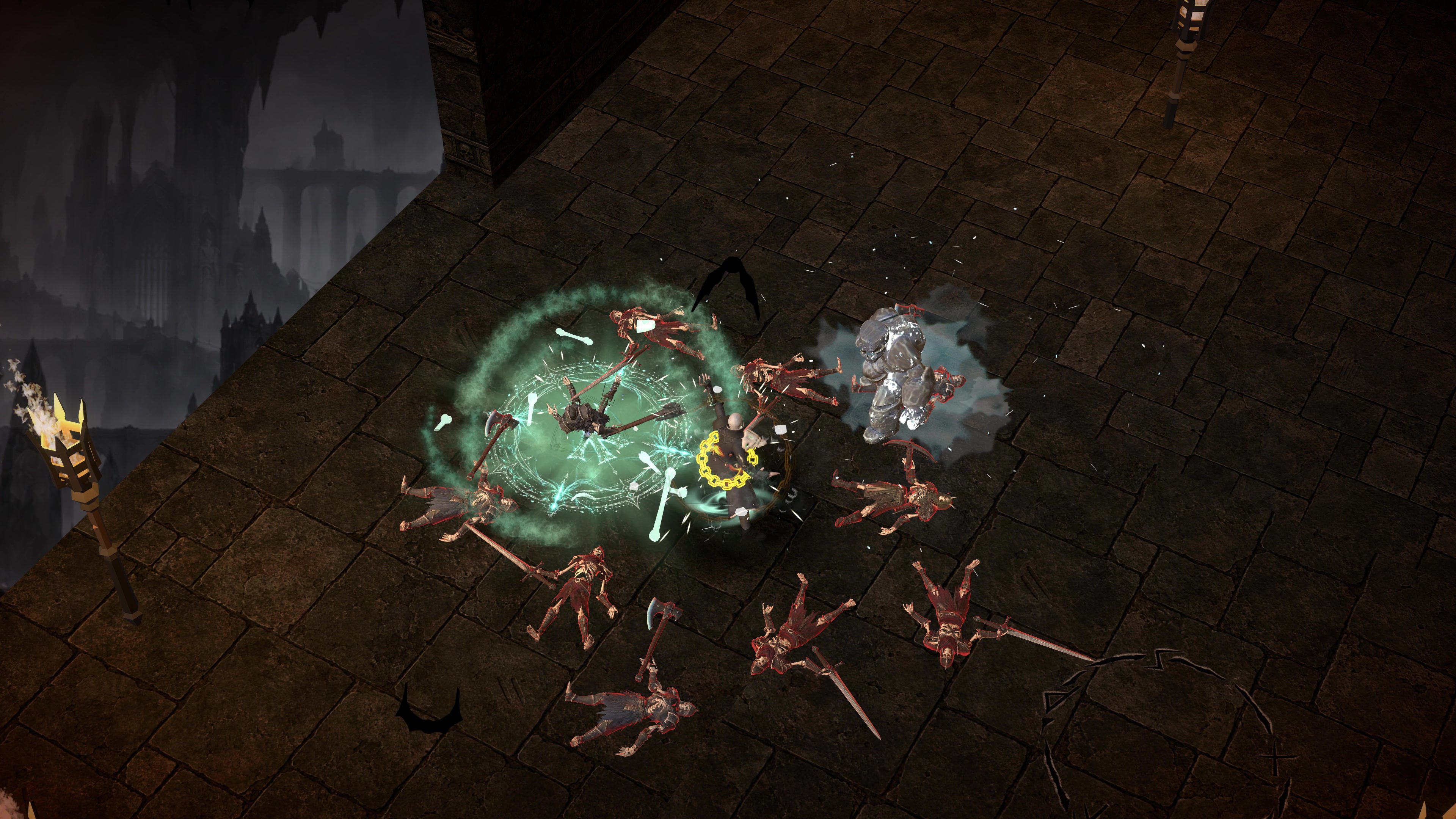
A choice of timing and position
The two uses should ask different questions. Raising an ally is about the shape of the army you want to carry into the fight. Detonating a corpse is about what is happening around that point now. A location that is useful for one role may become useful for the other as enemies and the player move.
That is why the direct controls matter to this loop. Players move and attack with the necromancer and can teleport to reposition. The decision is connected to where the player stands and how the encounter changes, rather than being confined to choosing a build before the fight.
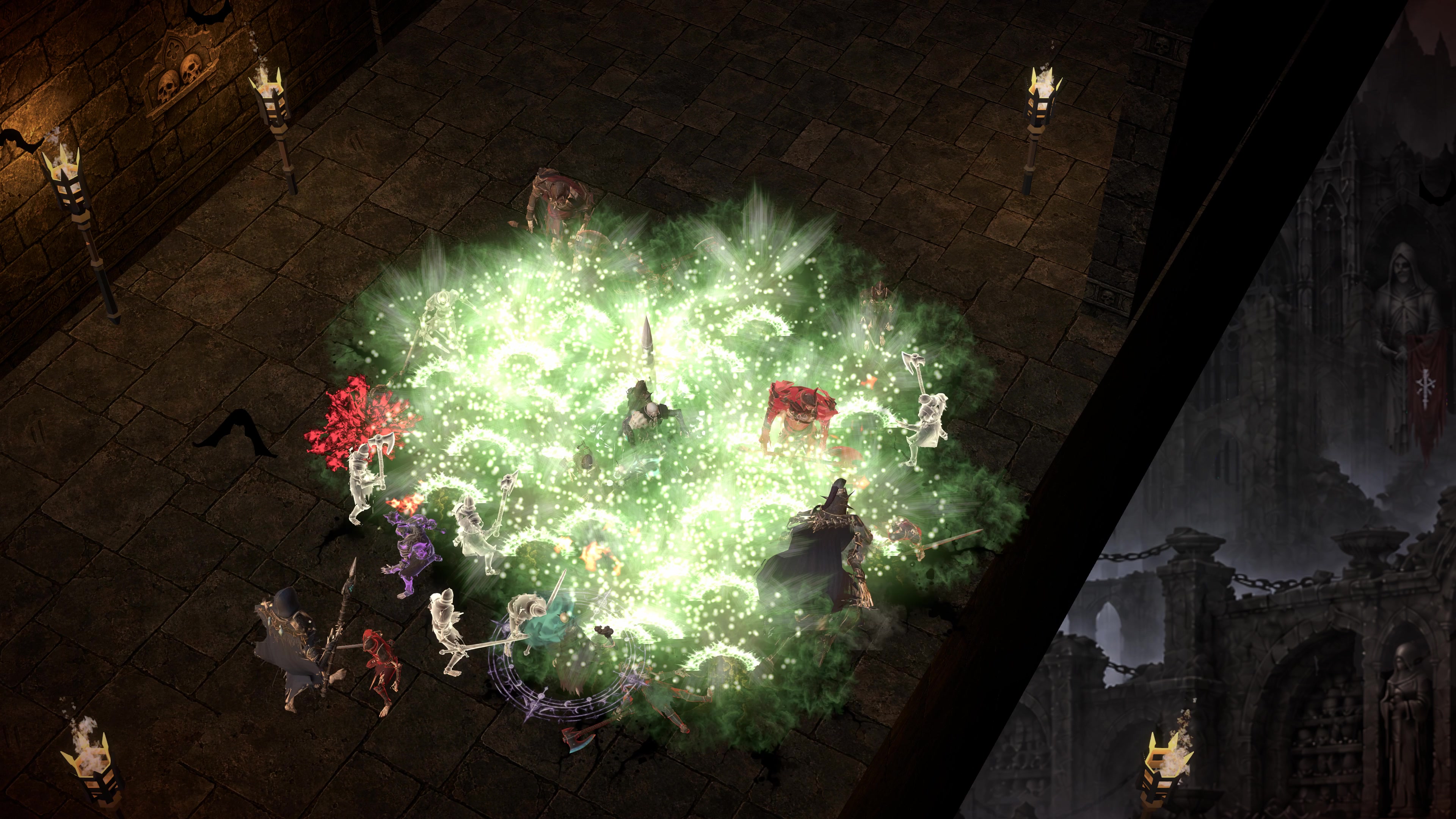
What the captures can show
These frames are useful for seeing the current game’s characters, effects and battlefield. They cannot demonstrate the touch controls or HUD, because they come from staged developer recordings with a presentation camera and the HUD hidden. I want the presentation to be clear about that distinction.
The project includes 36 undead types and supports 15 languages. Its current Android registration and iOS pre-order links are on the existing GameDev.net project page.
For other developers: when two actions share a battlefield resource, what information would you put closest to the action—the available resource, the likely effect, or the option being given up? That is the design question behind this note.
English support and reservations
The game supports English alongside 14 other languages. Android registration and iOS pre-orders are open, with a 600 Gems reservation bonus on both platforms.
Disclosure: the game scenes are actual engine captures and have not been repainted. Some development, assets and this writing use AI assistance. The official trailer also uses added presentation elements and Suno-generated music.

댓글
댓글 쓰기